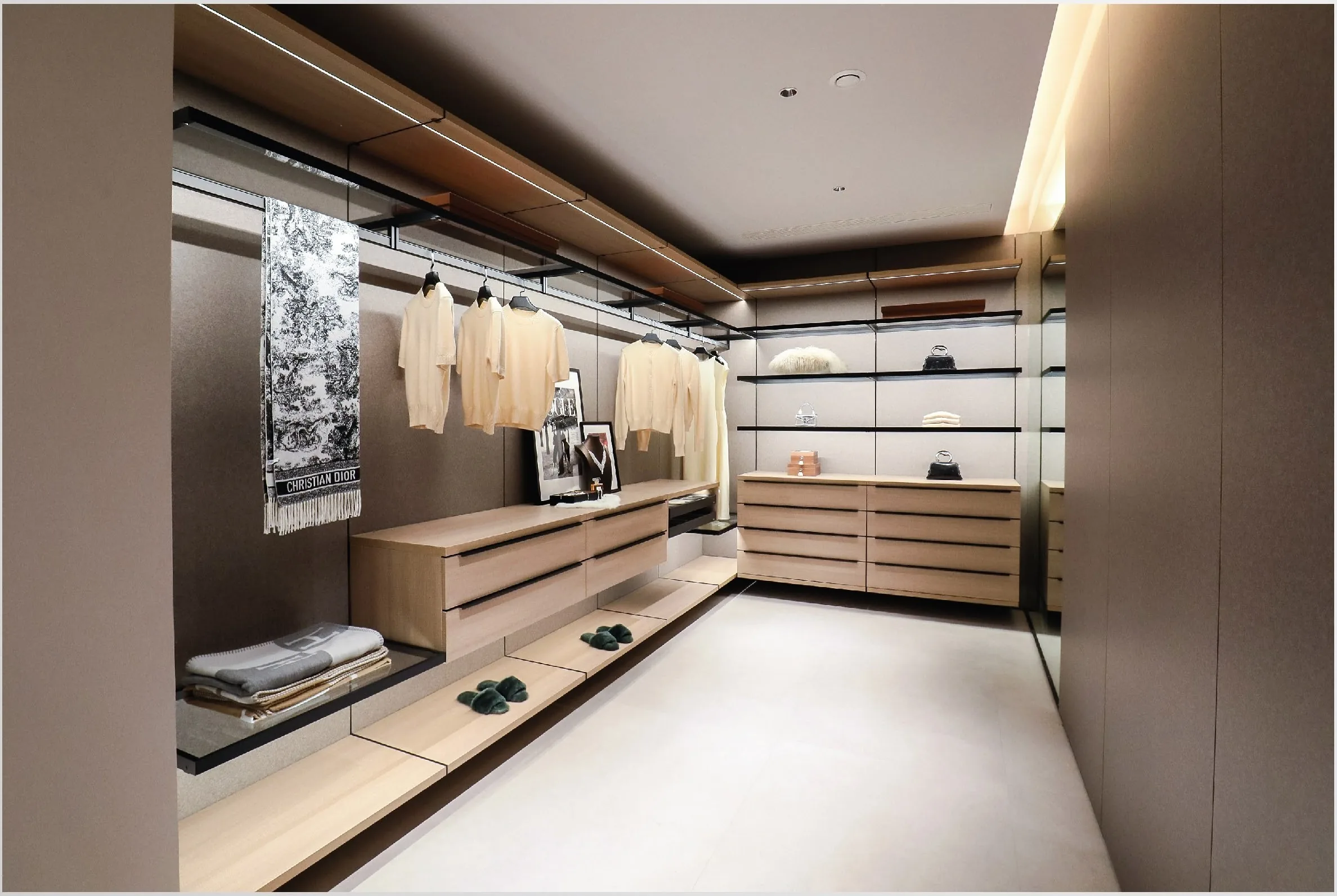
Profiles & Edge
Shadow gaps, edge banding and profile detail — the parts a buyer checks last and notices first.
This line covers the parts of a cabinet that a buyer checks last and notices first: edge banding, door and carcass profiles, handleless J-profiles, gapped finger pulls and shadow-gap reveals. It suits developers, contractors and joinery buyers specifying kitchens, wardrobes and wall panels who need the junction details resolved at drawing stage rather than on site.
What does the Profiles & Edge line actually include?
Profiles and edge details are not a separate catalogue line — they are priced inside the door and carcass blocks of your order. What you are buying is the decision set: which edge treatment closes each panel, which profile forms the handle, and which reveal meets the wall.
- Edge banding — the strip closing the cut edge of every panel, matched to the face finish.
- Door and carcass profiles — the routed or applied shape at the door face and the frame it sits in.
- Handleless options — J-profiles routed into the door edge, or gapped finger pulls between leaves.
- Shadow-gap reveals — the recess where a jamb lining or panel meets plaster, panel or masonry.
- Closing trims — skirting, architraves or their deliberate absence, and the trims that finish each junction.
Specifications
The table below sets out the specification fields we need confirmed before a drawing set is issued. Values are the working ranges and categories used on this line; the final figure for your project is fixed on the approved drawing, not on this page.
| Field | What we specify | Unit / option set |
|---|---|---|
| Carcass panel thickness | Base units and shelving spans specified at 18 mm rather than 16 mm | mm |
| Board / substrate | E0 or E1 plywood; particleboard with melamine; solid wood | grade class |
| Door face finish | Lacquer (matte or gloss), PET, acrylic, veneer, PVC membrane | finish family |
| Edge banding | Matched to the face finish; band width and bonding confirmed on the sample board | mm, per drawing |
| Shadow gap reveal | 8 mm working minimum; smaller fills with paint and dust, larger reads as an error | mm |
| Hardware | Blum, Hettich or DTC — client may specify brand | brand set |
| Lead time | Confirmed after drawing review | days |
Two rules save rework. First, set the reveal at drawing stage — a gap cut wrong cannot be widened on site. Second, do not specify a gloss finish over a substrate you have not specified as flat, because the reflection shows every deviation.
What drives the price?
No price list applies to this line. The number is built from five blocks, in the order they usually move it:
- Finish family. Lacquer versus veneer versus PVC membrane is the widest swing on the door line.
- Core and board. Plywood against particleboard, and the grade class you accept.
- Profile complexity. A routed J-profile or a gapped finger pull adds machining passes per door leaf; a flat slab does not.
- Edge treatment. Banding matched to an exotic veneer costs more than banding matched to a solid colour.
- Reveal and lining. The jamb lining and shadow-gap detail that meets the wall, plus the trims that close each junction.
Compare like for like across the whole junction, not the door leaf alone — a cheap leaf with an unresolved reveal is not a cheaper junction.
Lead time and MOQ
Production runs 25–35 days after drawing approval and deposit. That clock starts on approval, not on enquiry, so the drawing review is the real schedule risk. MOQ is from 1 set for sampling and project pricing applies from 20 sets upward. Free shop drawings are issued after deposit. Shipping can be flat-pack or assembled, on FOB, CIF or DDP terms, and on-site installation supervision is available for large projects.
Next step
Send your drawing set or a dimensioned sketch to our WhatsApp enquiry line with the finish family, the reveal dimension and the hardware brand you want. We will return a marked-up drawing set and a quotation built from the approved details — no catalogue price, no guesswork.
Profiles & Edge
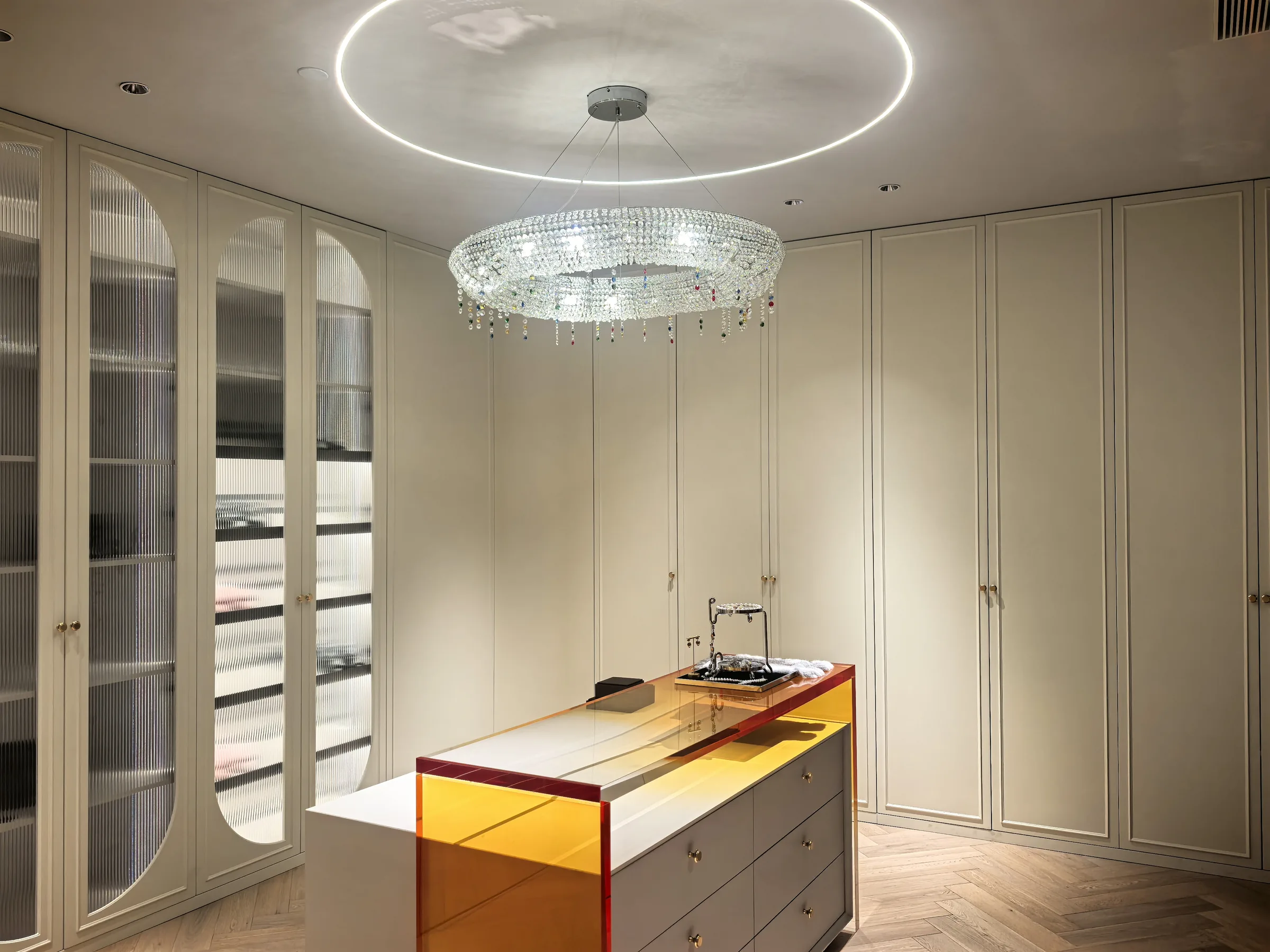
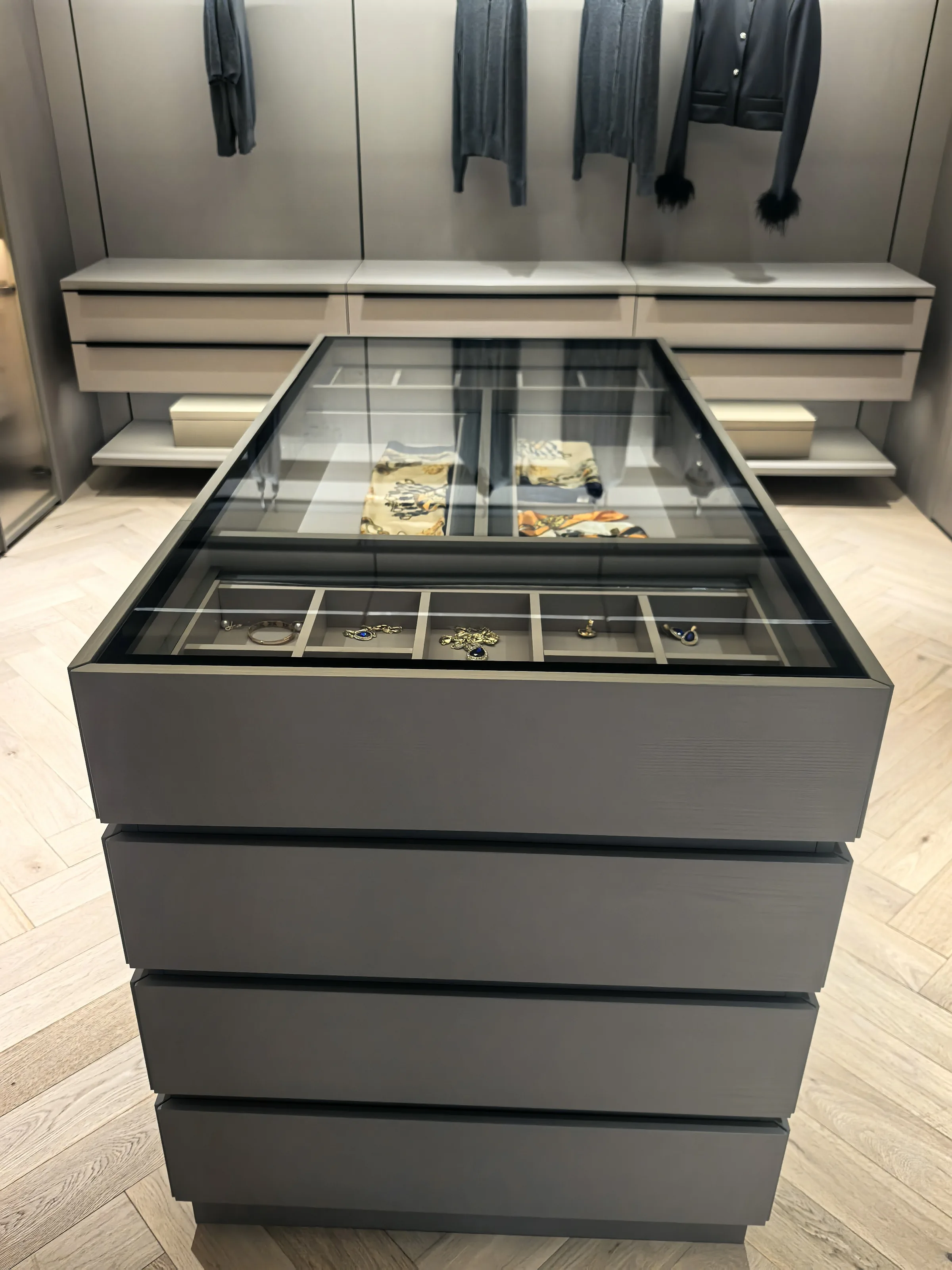
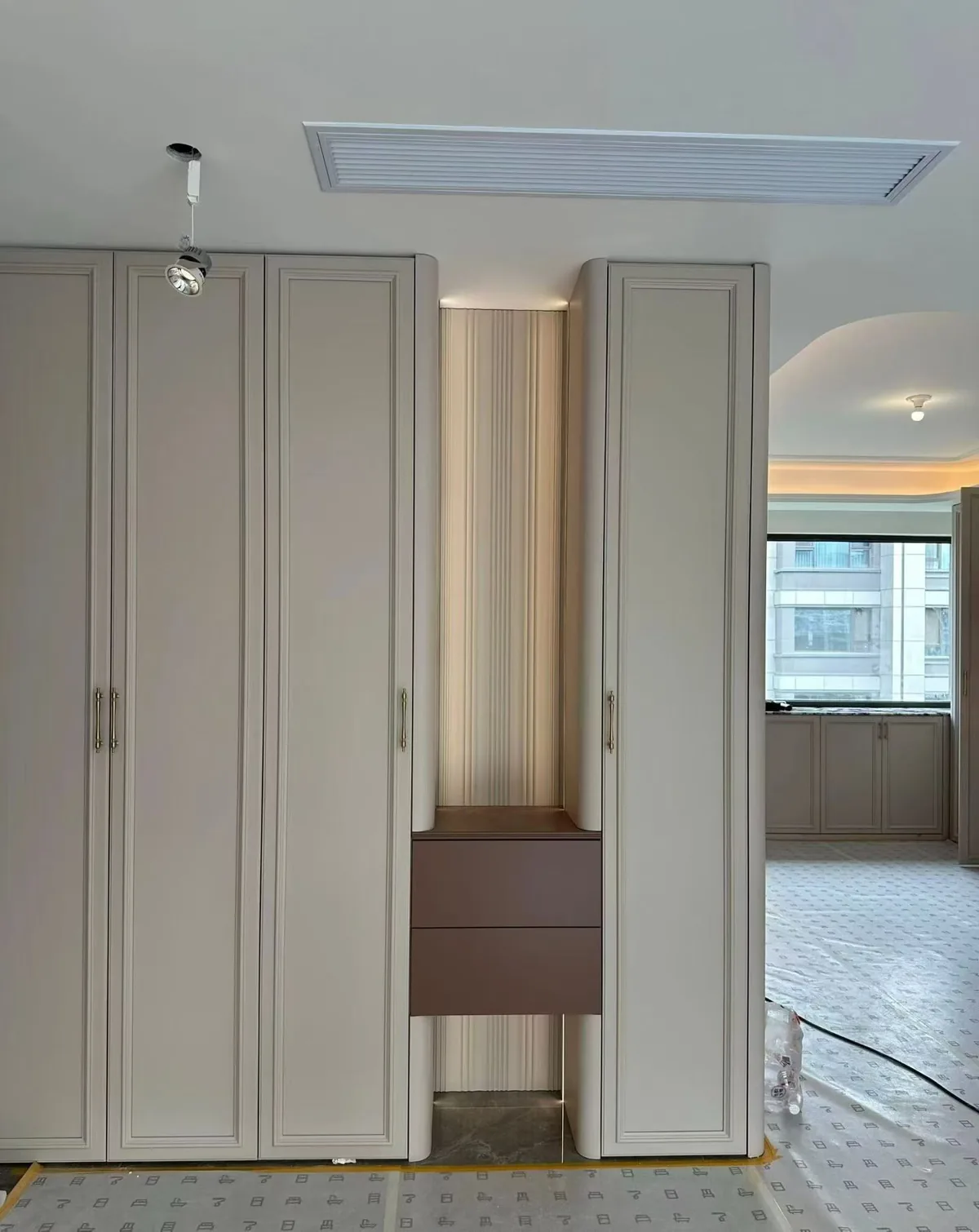
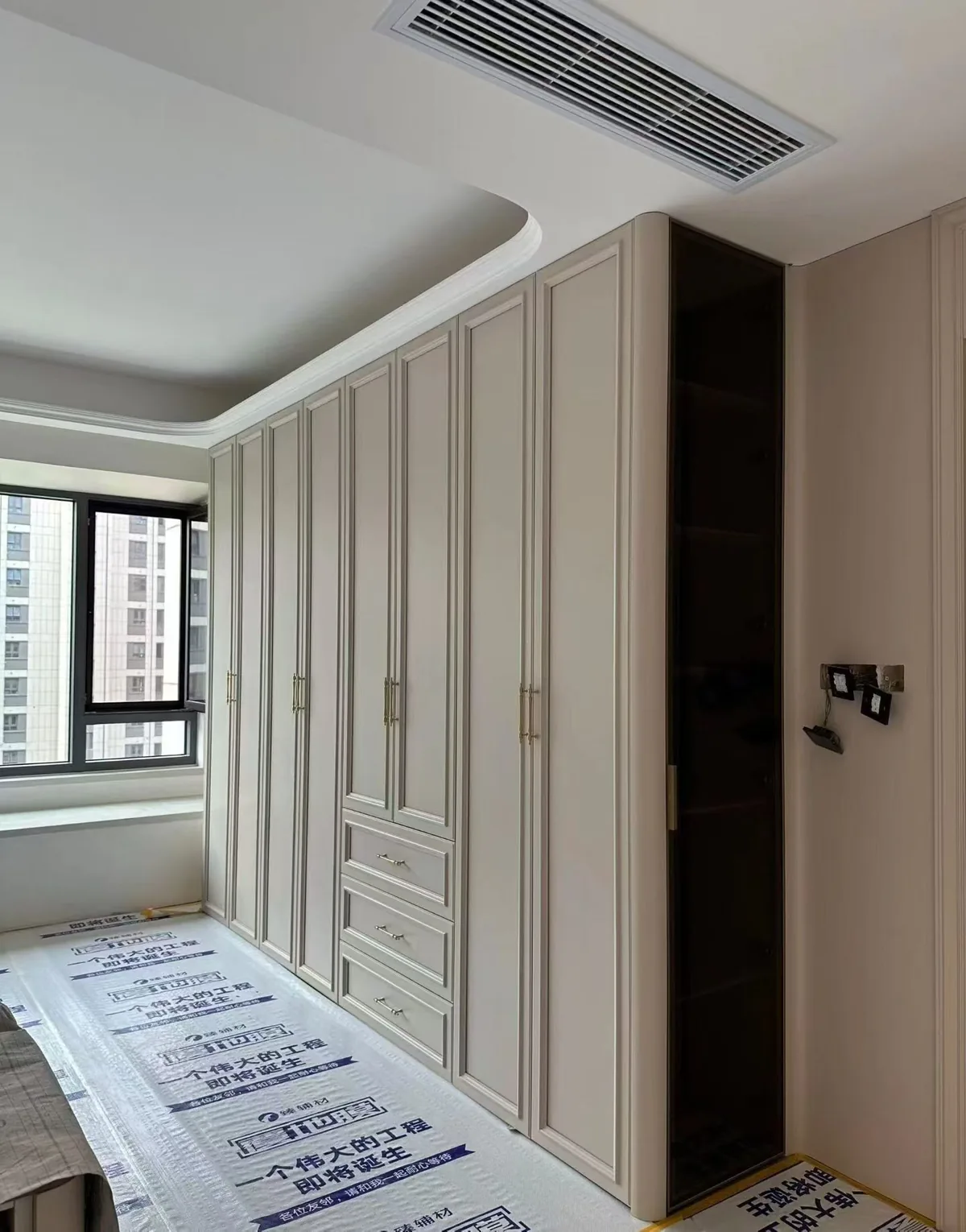
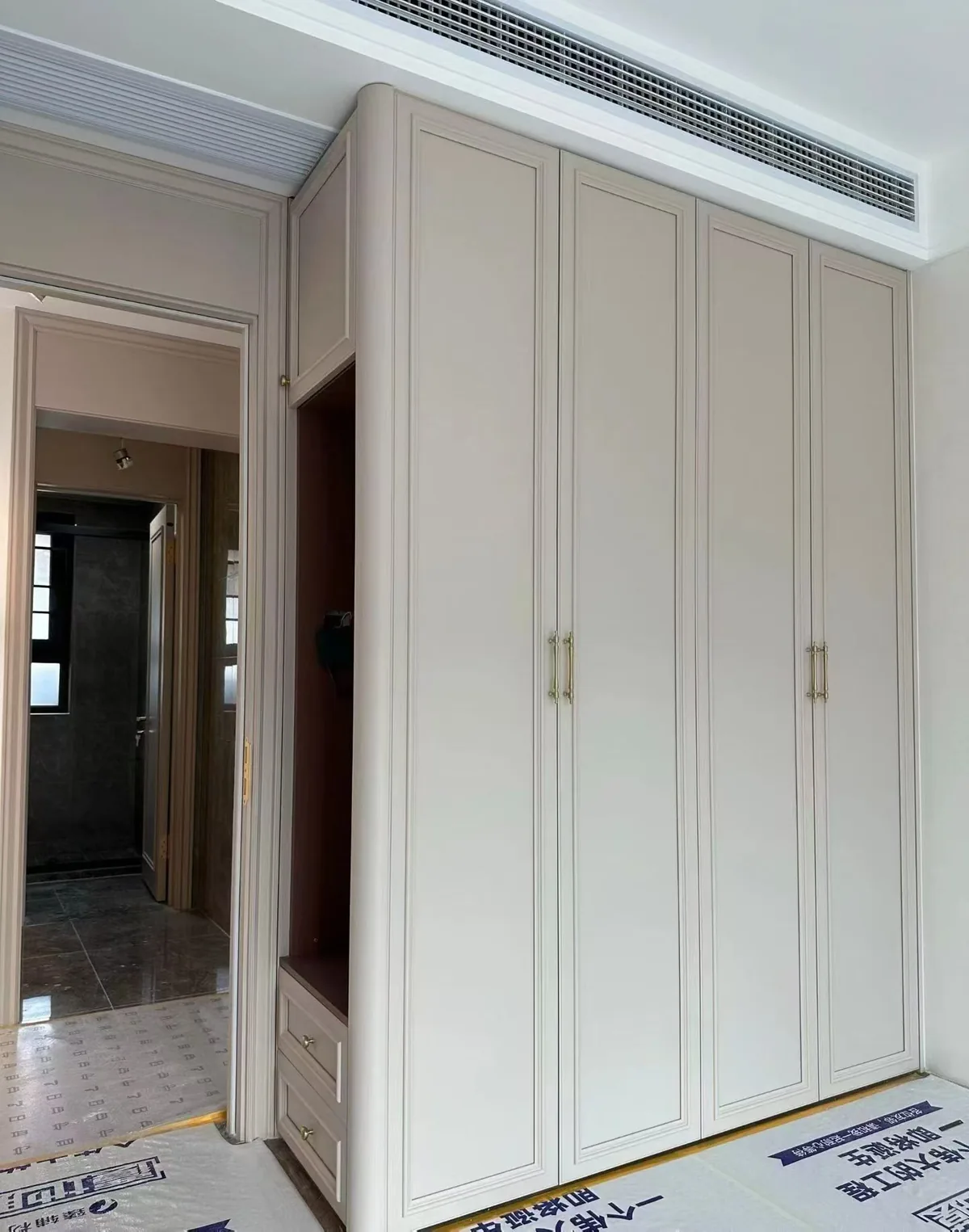
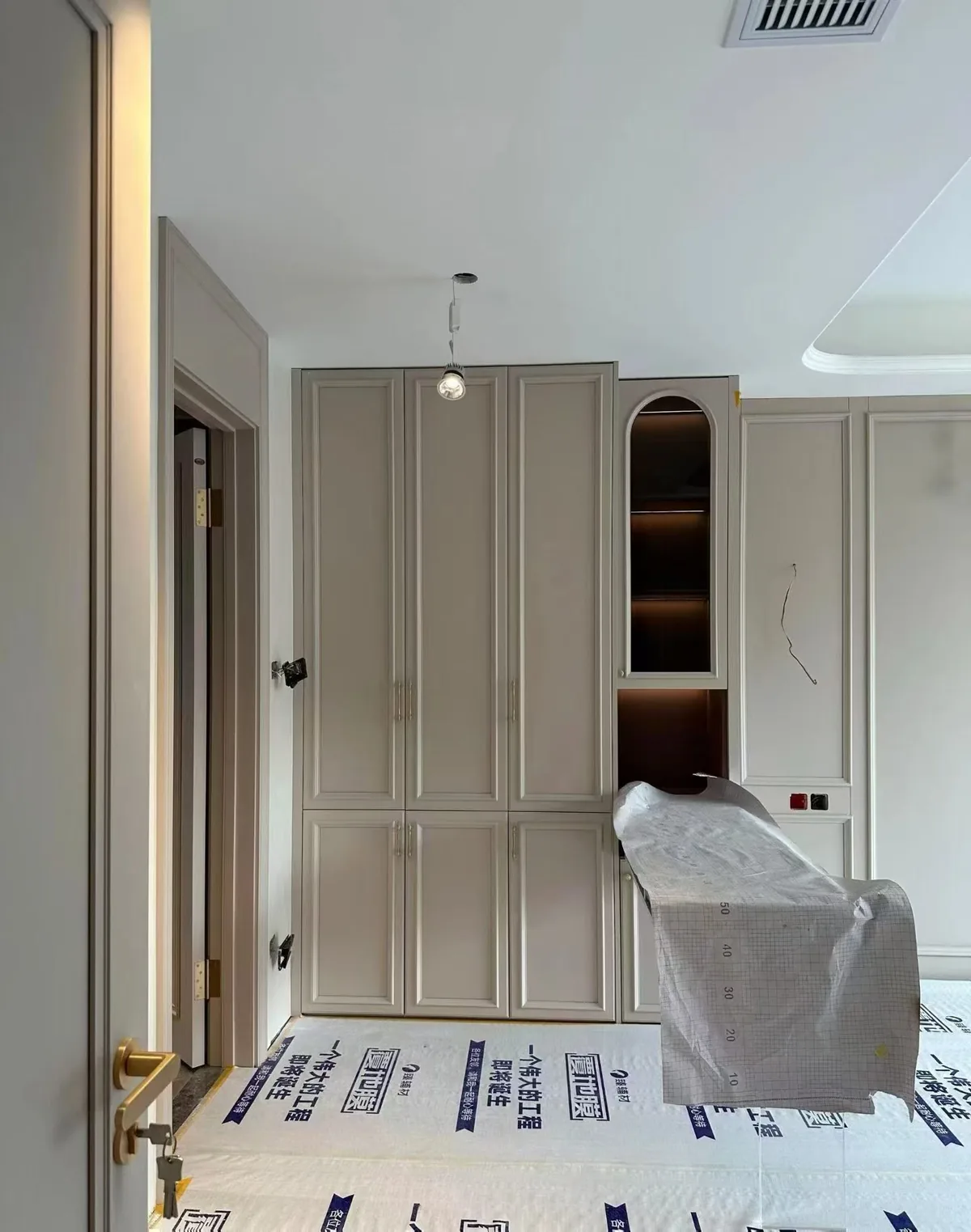
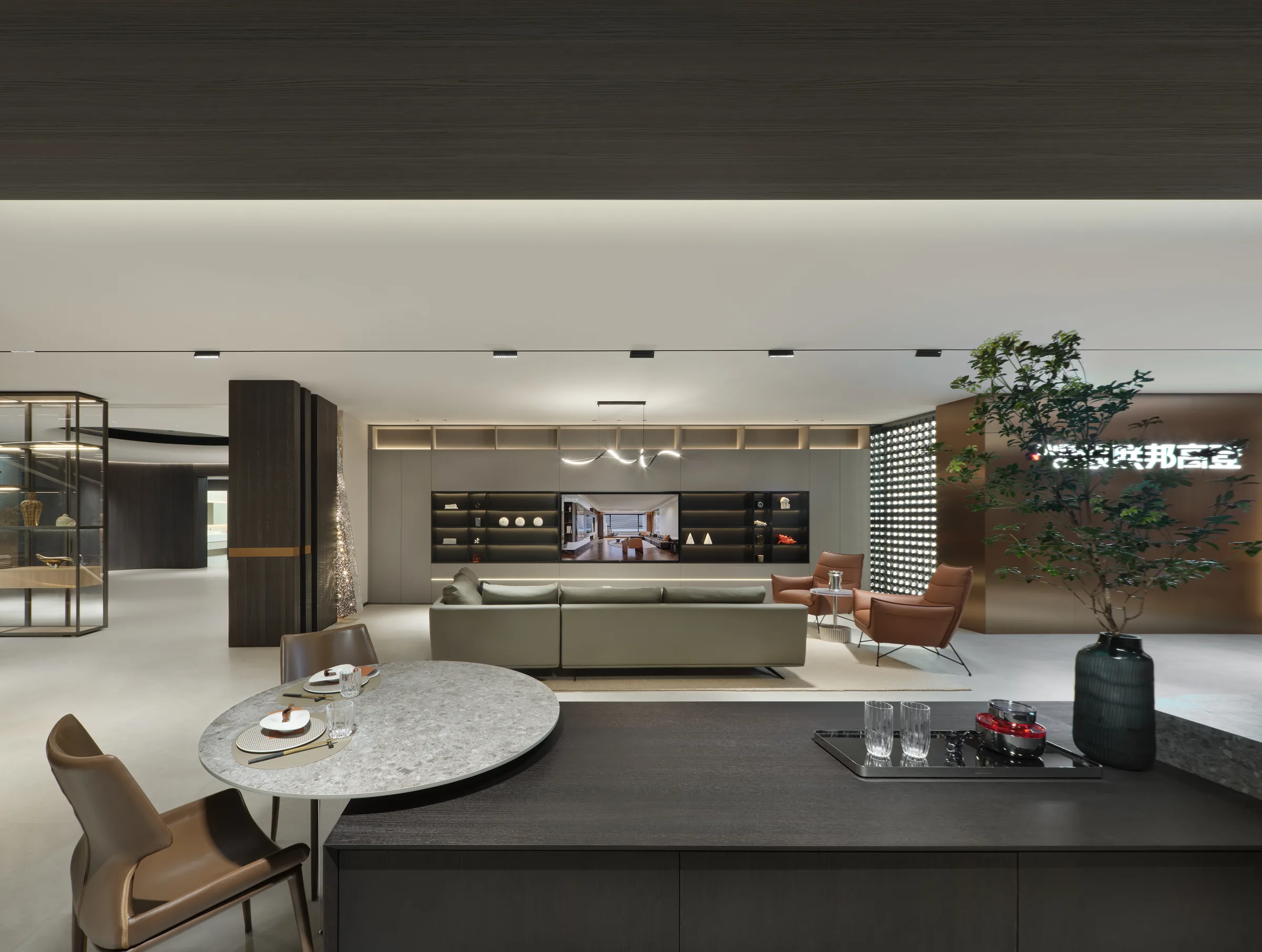
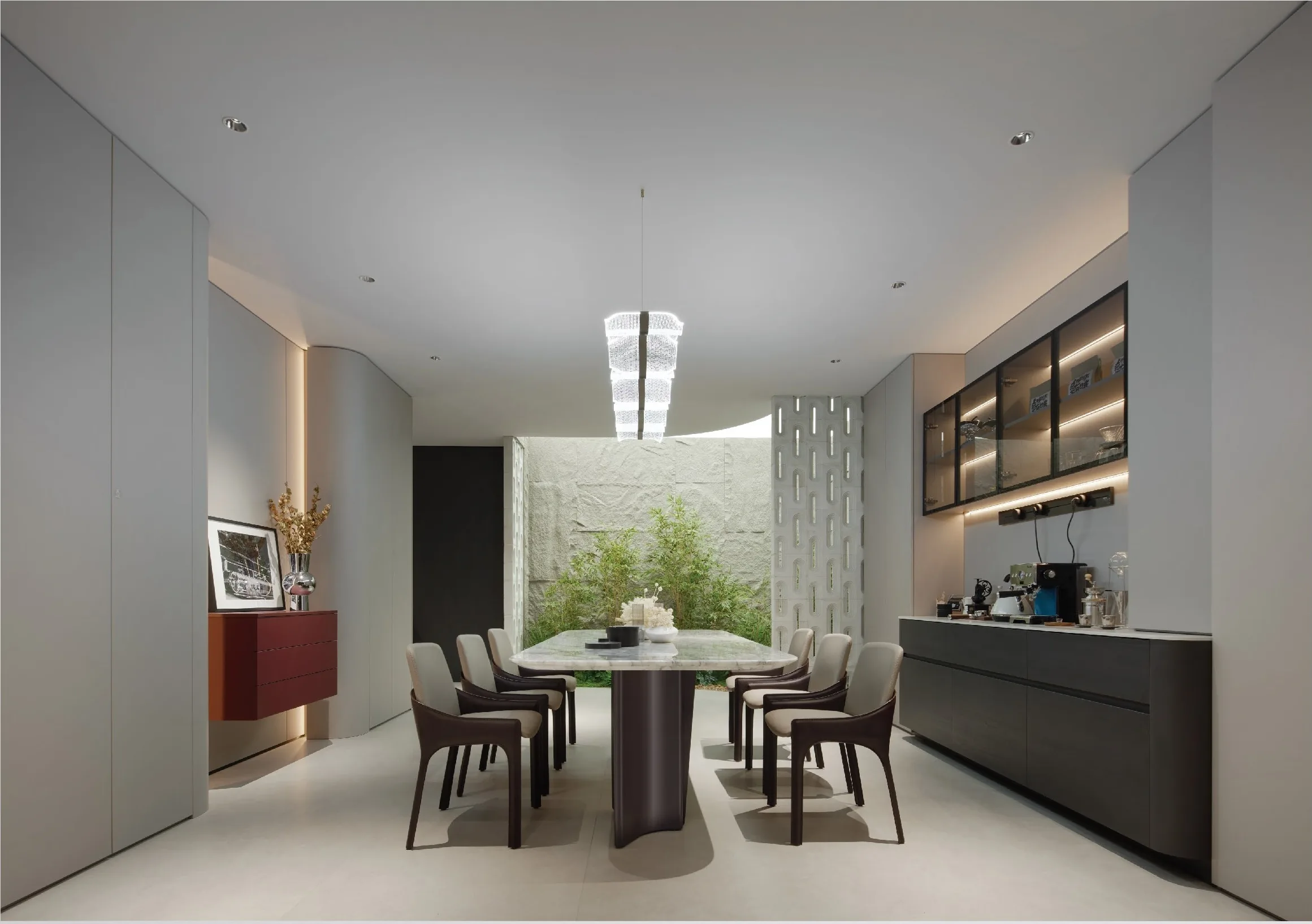
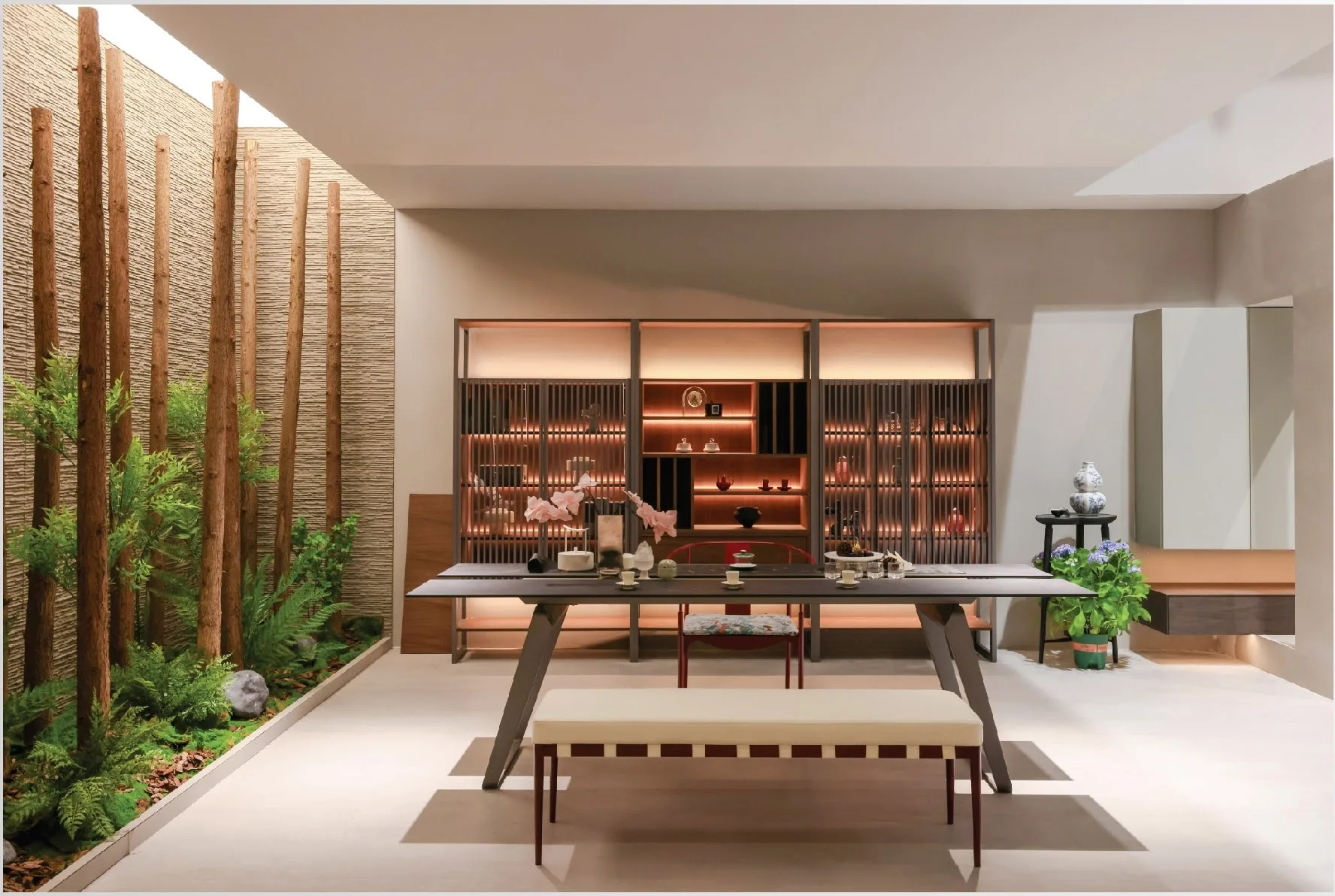
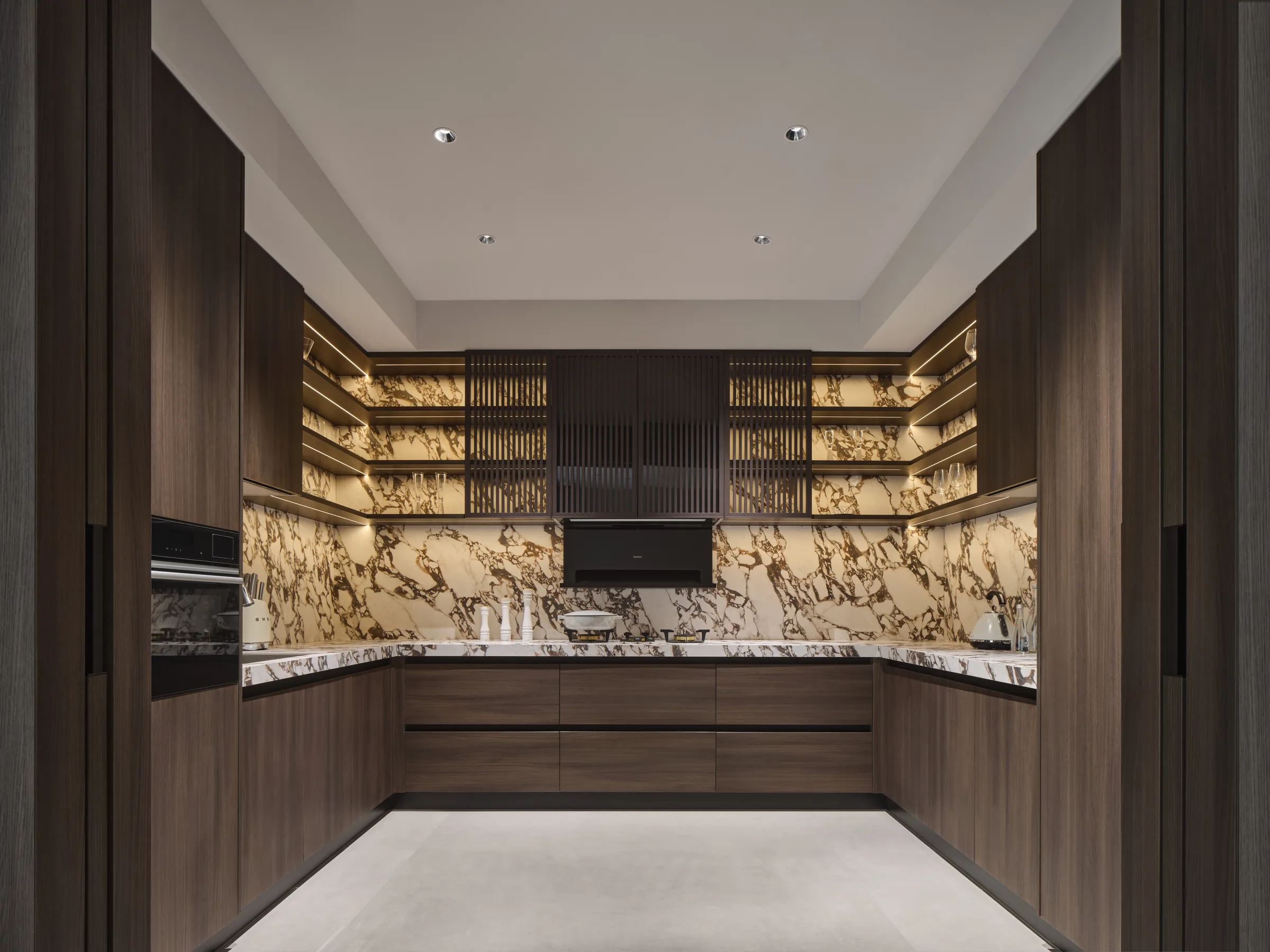
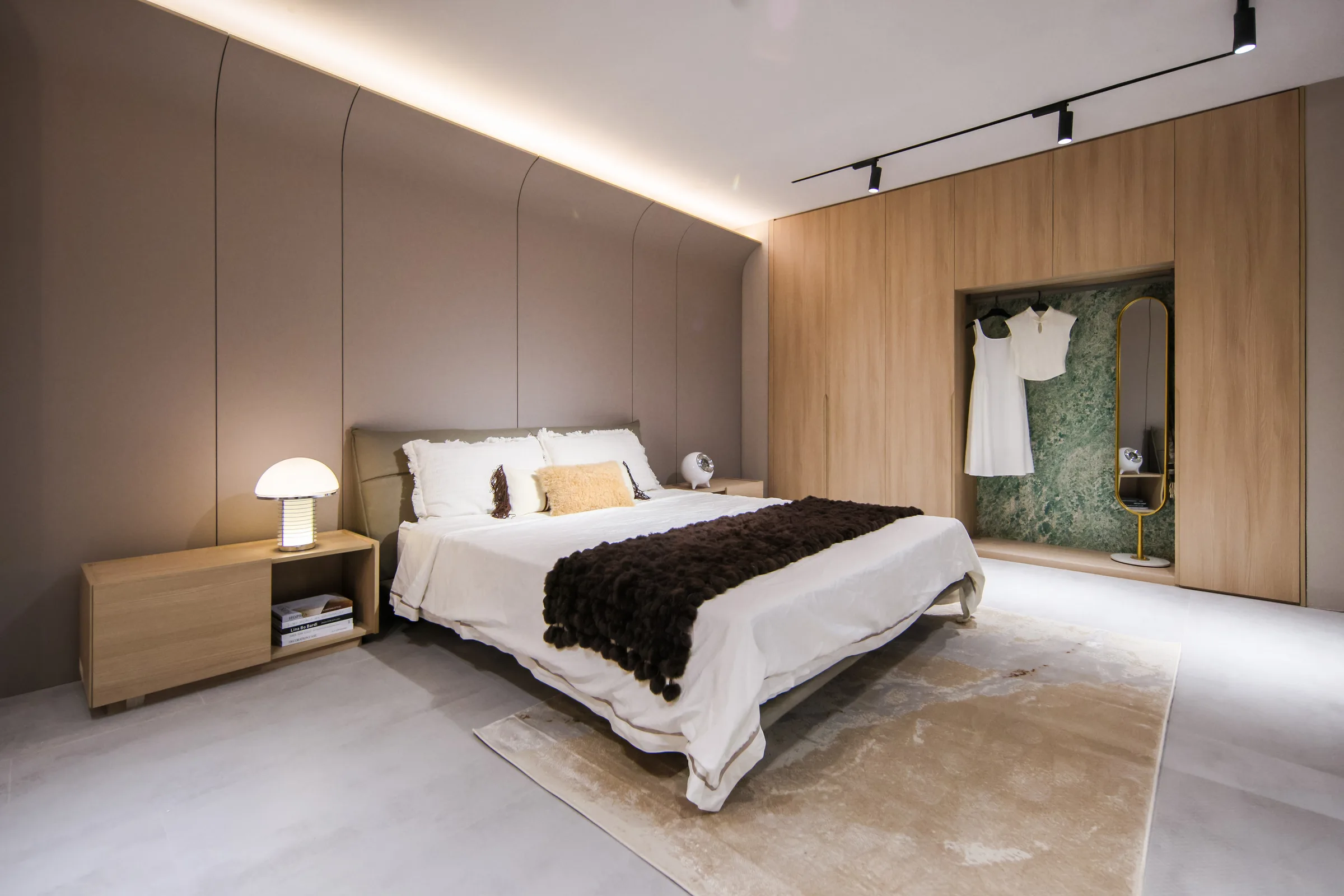
Real material photography from our production — click any frame to inspect the grain, edge and joint at full pixel scale.
Start with
a brief.
Send the drawings and the room list. We will come back with a scope, a finish schedule and a price range.
Buyer questions
What is edge banding and why does it matter?
It is the strip that covers the cut edge of a panel. Its thickness and bonding decide whether the edge survives a decade of use or lifts within a year.
Can shadow-gap trims be supplied with the cabinets?
Yes. Trims, reveals and skirting profiles are made to the same detail as the doors so the gap reads consistently around the room.
How are profiles matched to the finish?
The profile is finished in the same batch as the panels. Mixing batches is the usual cause of a trim that looks slightly off against the door.