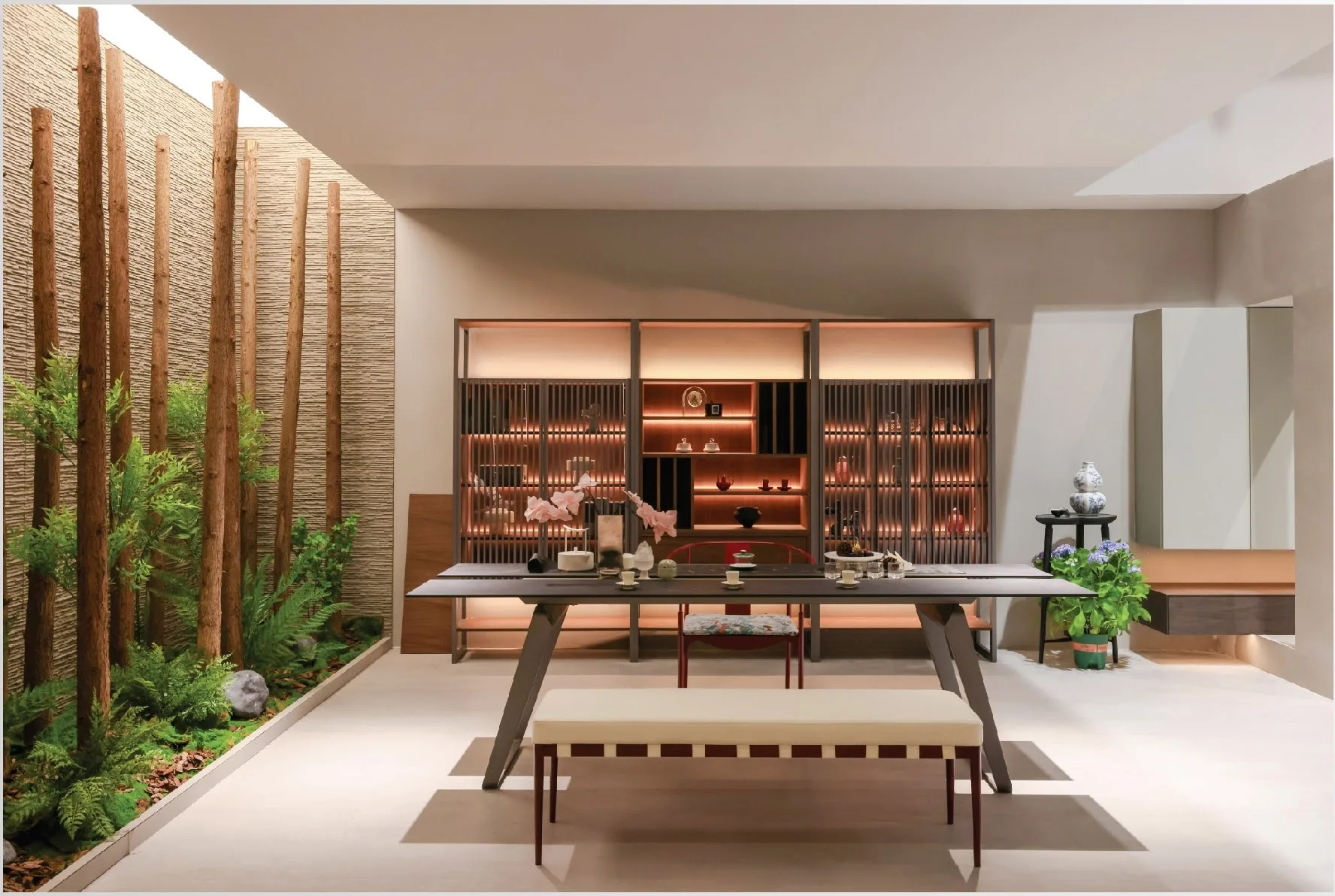
Tea Room & Study
Display niches, integrated desks and shelving walls for the rooms where people sit longest.
This product line covers the joinery for the two rooms people sit in longest: tea rooms and studies. It includes display niches, integrated desks, shelving walls and full-height storage, built to your drawings. It suits developers, contractors and interior studios fitting rooms that are too small for standard carcasses and too visible to improvise.
Specifications
Every dimension below is set on the approved drawing set, not chosen from a stock list. The table shows what the factory needs decided before production can start, and the range each decision is made within.
| Element | What you specify | Unit / range |
|---|---|---|
| Overall run length | Wall-to-wall or freestanding, set on drawing | mm, per elevation |
| Carcass board | E0 or E1 plywood, particleboard with melamine, or solid wood | grade named in writing |
| Door / front finish | Lacquer (matte or gloss), PET, acrylic, veneer, PVC membrane | one finish per schedule |
| Hardware | Blum, Hettich or DTC — hinges, runners, handles | brand and model named |
| Display niche depth | Set by what the niche holds | mm, per niche |
| Desk height and knee clearance | Set by seat and user | mm, per desk |
| Packing | Flat-pack or assembled | per container plan |
| Lead time | Confirmed after drawing review | days, from approval |
Board thickness, edge-band width and hardware load ratings are not published here because they are not fixed across projects. Ask for them in writing on your drawing set, and hold the factory to the document rather than to a web page.
What drives the price
There is no price list for this category, because the quote is built bottom-up from five blocks. Each block moves independently, and the most expensive one is rarely the one buyers expect.
- Carcass material. Plywood, particleboard and solid wood sit at different points, and the grade you name (E0 or E1) is part of that.
- Door finish. Lacquer, PET, acrylic, veneer and PVC membrane behave differently in humidity and in lead time, and they are not priced alike.
- Hardware brand. Naming Blum or Hettich instead of the factory default DTC changes both cost and the date production can start, because the factory may be ordering in.
- Drawing complexity. Niches, integrated desks and shadow gaps add machining and fitting time per unit.
- Freight, duty and installation. Flat-pack loads more cabinetry per container than assembled; installation supervision is a separate line for large projects.
The longest block sets the start of production. A named veneer or a specific lacquer sheen is not instant, and it is not a problem — it is a date.
Lead time and MOQ
Production runs 25–35 days after drawing approval and deposit. The clock starts at approved drawings, not at enquiry, so every revision cycle you add is a day off the schedule. Door-to-door delivery to most markets lands in the 9–14 week band once ocean freight and clearance are counted.
MOQ is 1 set for sampling and 20+ sets for project pricing. A single-container order books and sails faster than a multi-container phased shipment, because you are not waiting for the second container to be complete before the first sails. Free shop drawings are issued after deposit.
What to send with your enquiry
Send the drawings and the room list. The scope, finish schedule and price range come back from those two documents. Name the hardware brand and model in the drawing set, not in an email — a hardware specification that lives in a message thread is the most common cause of a slipped date.
Message us on WhatsApp with your drawings, destination market and project type. We will confirm the scope, the finish schedule and the production window before anything is cut.
Tea Room & Study
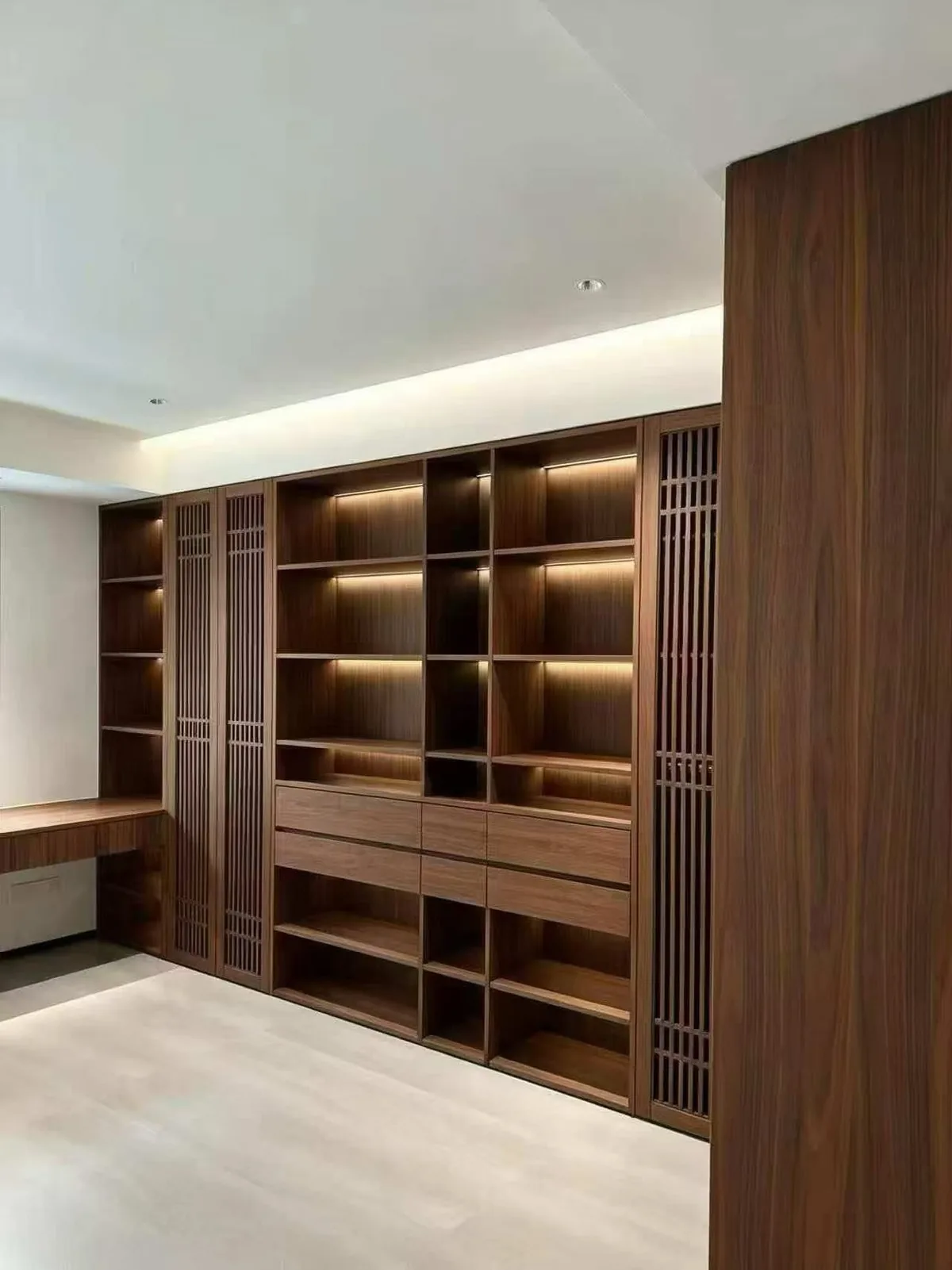
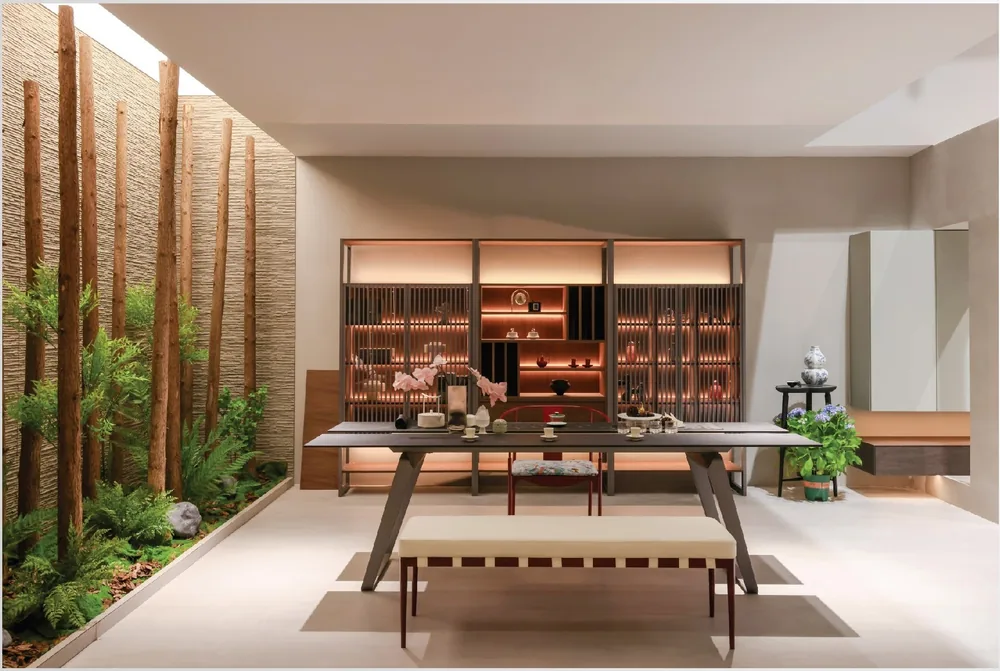
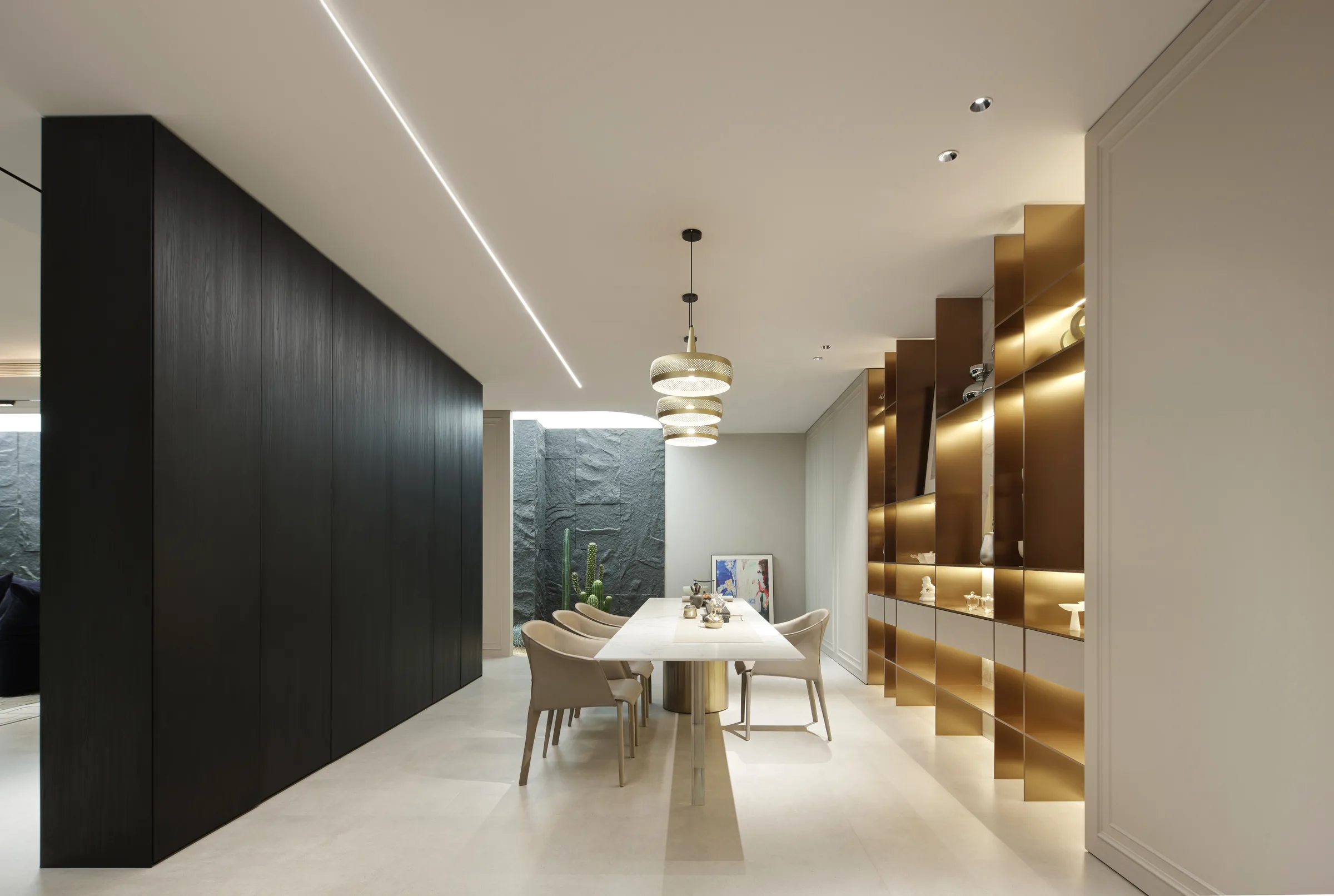
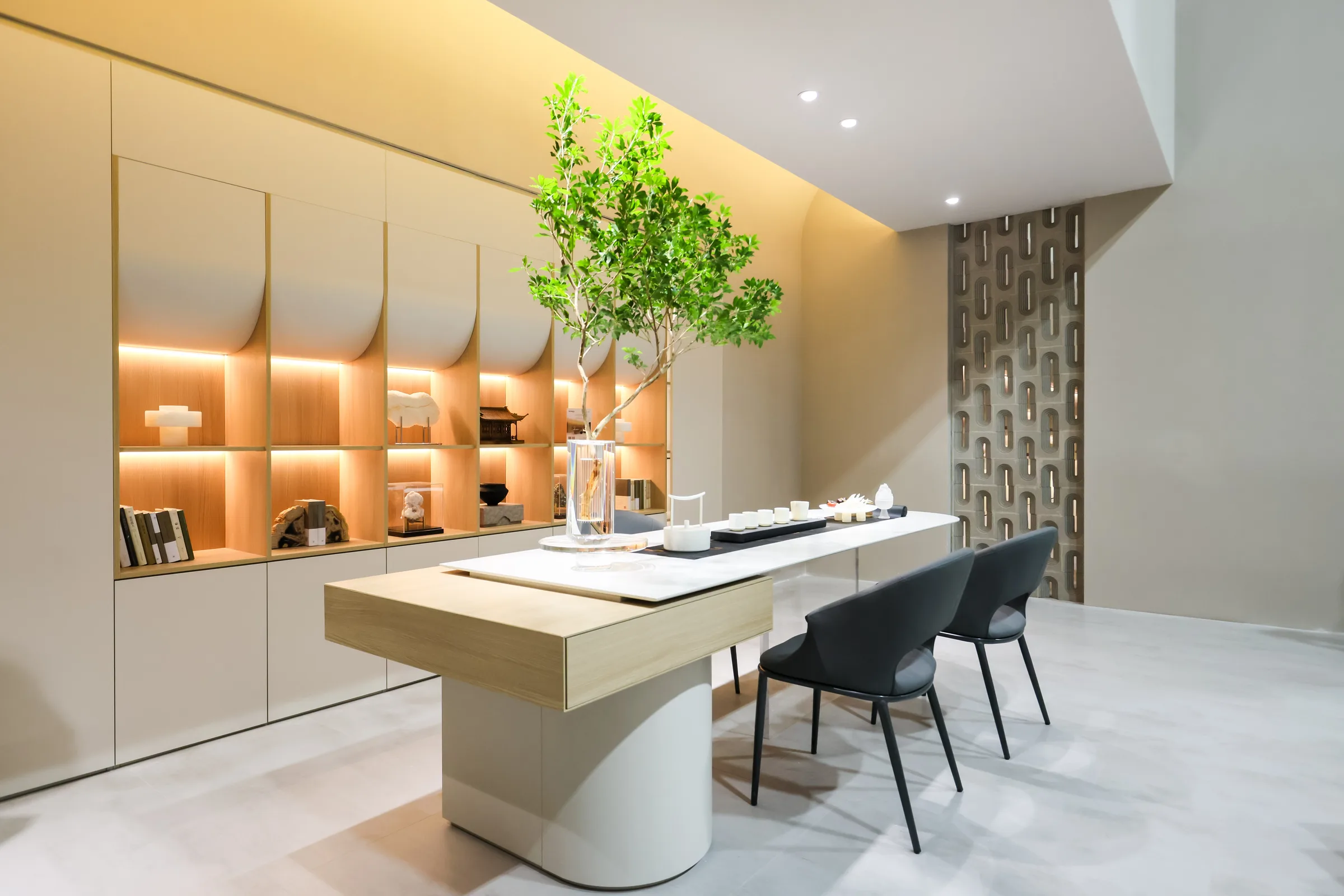
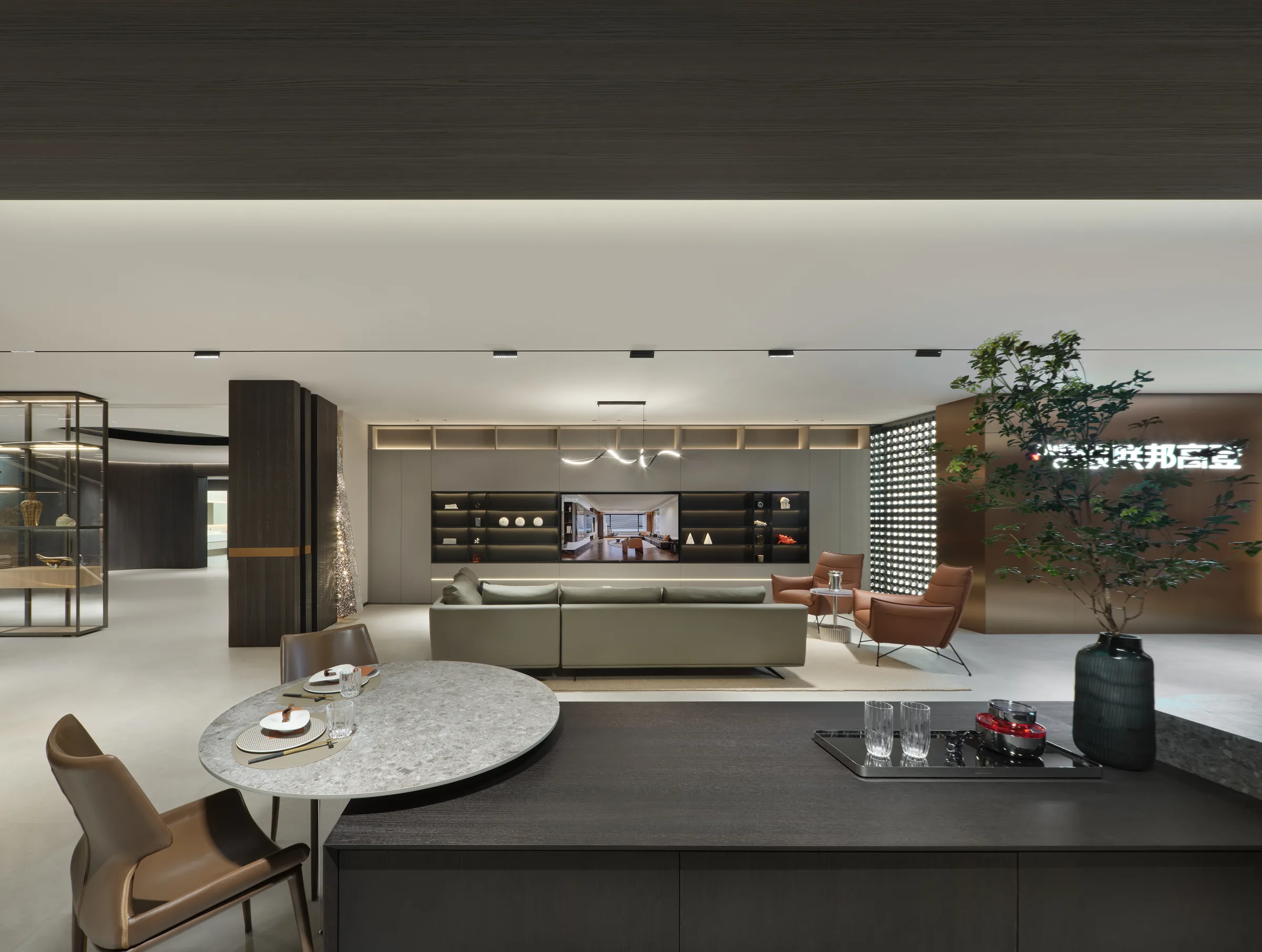
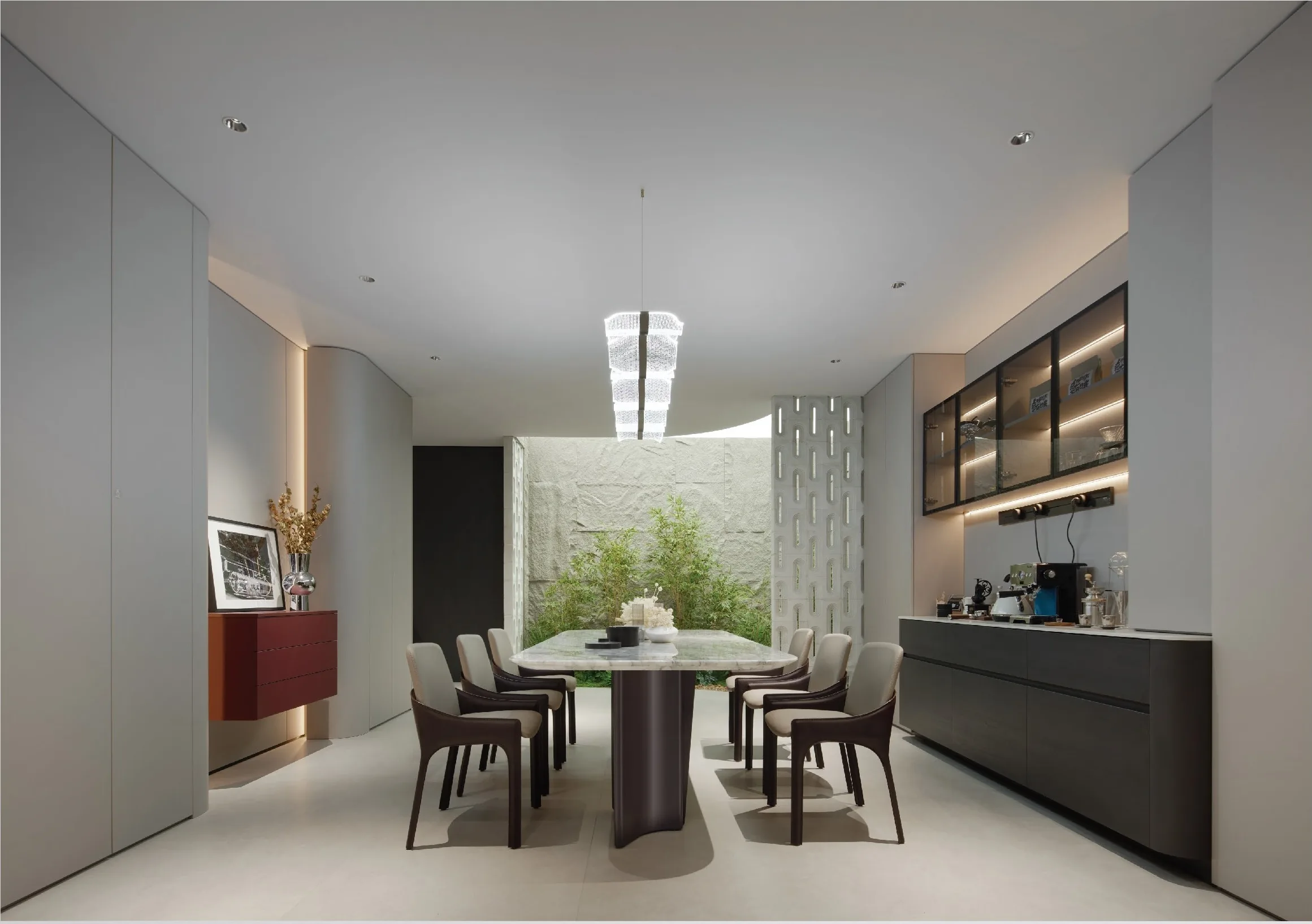
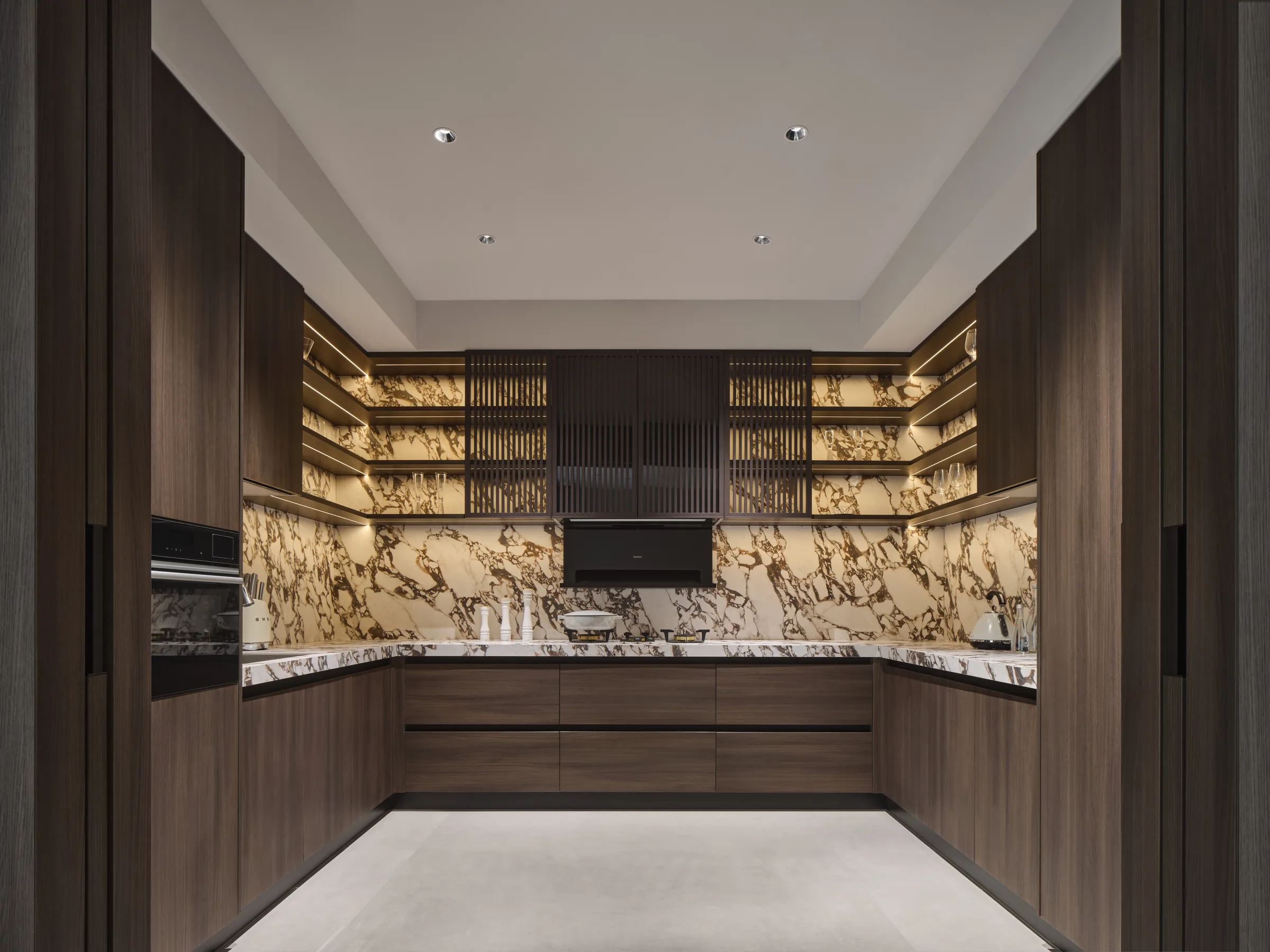
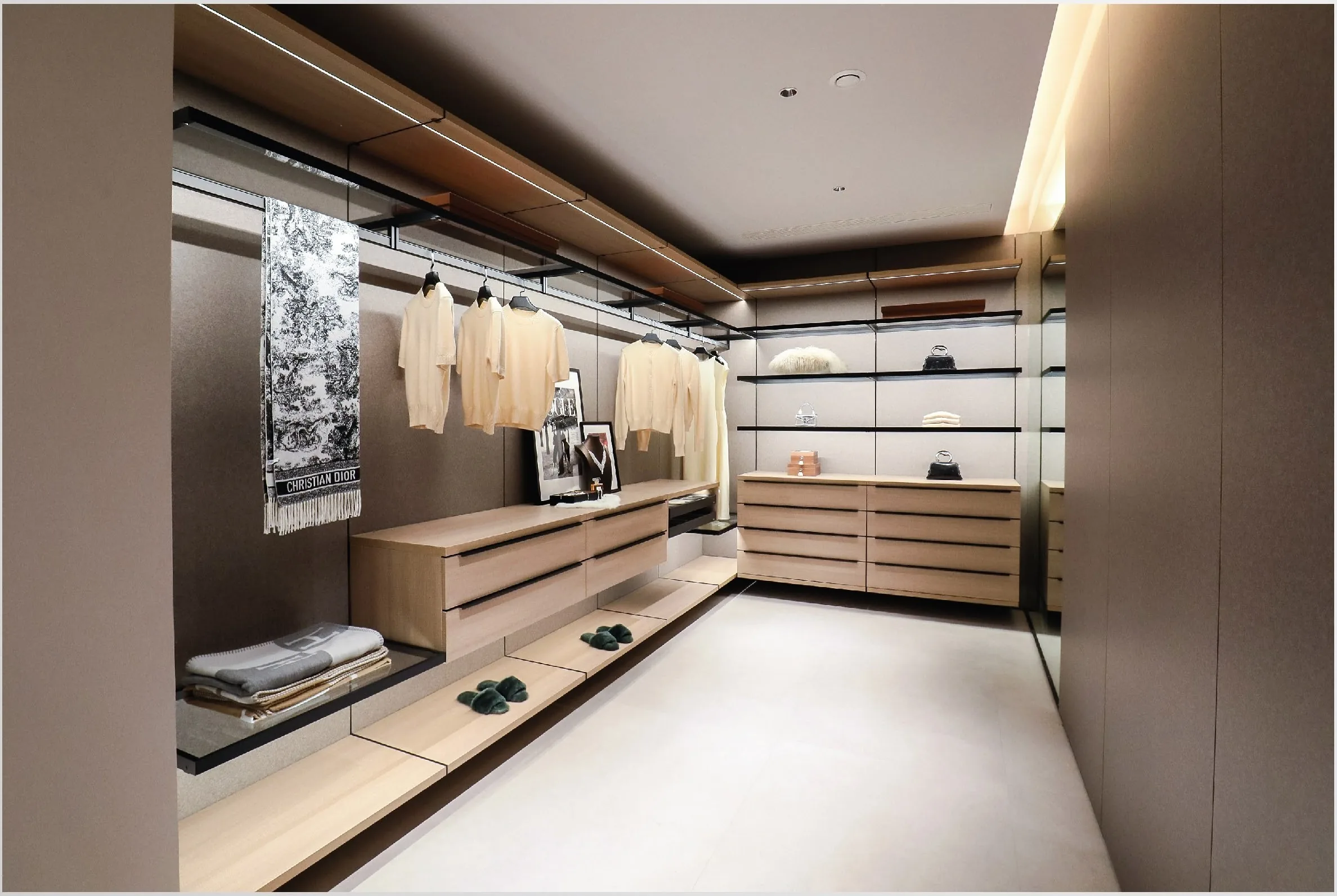
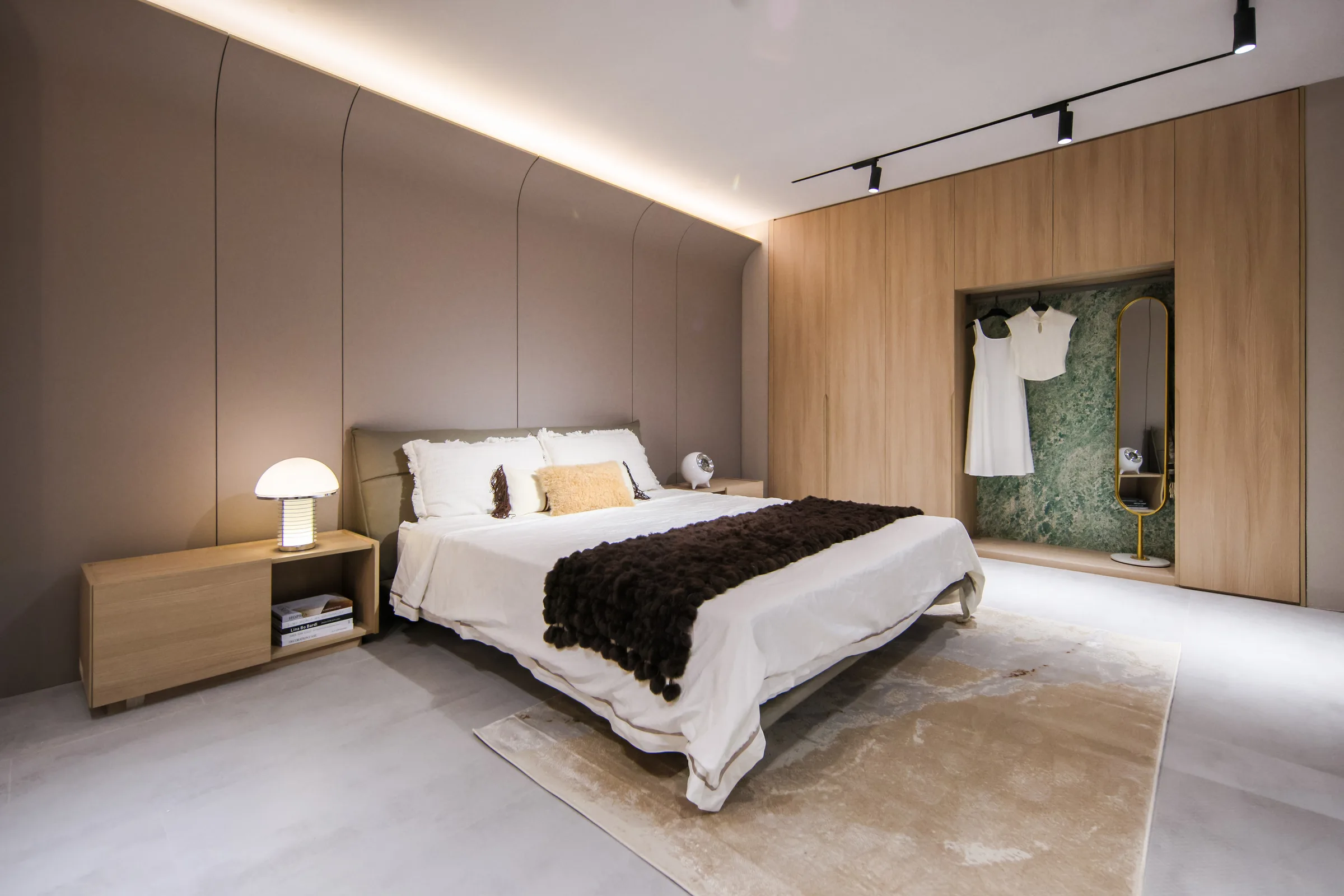
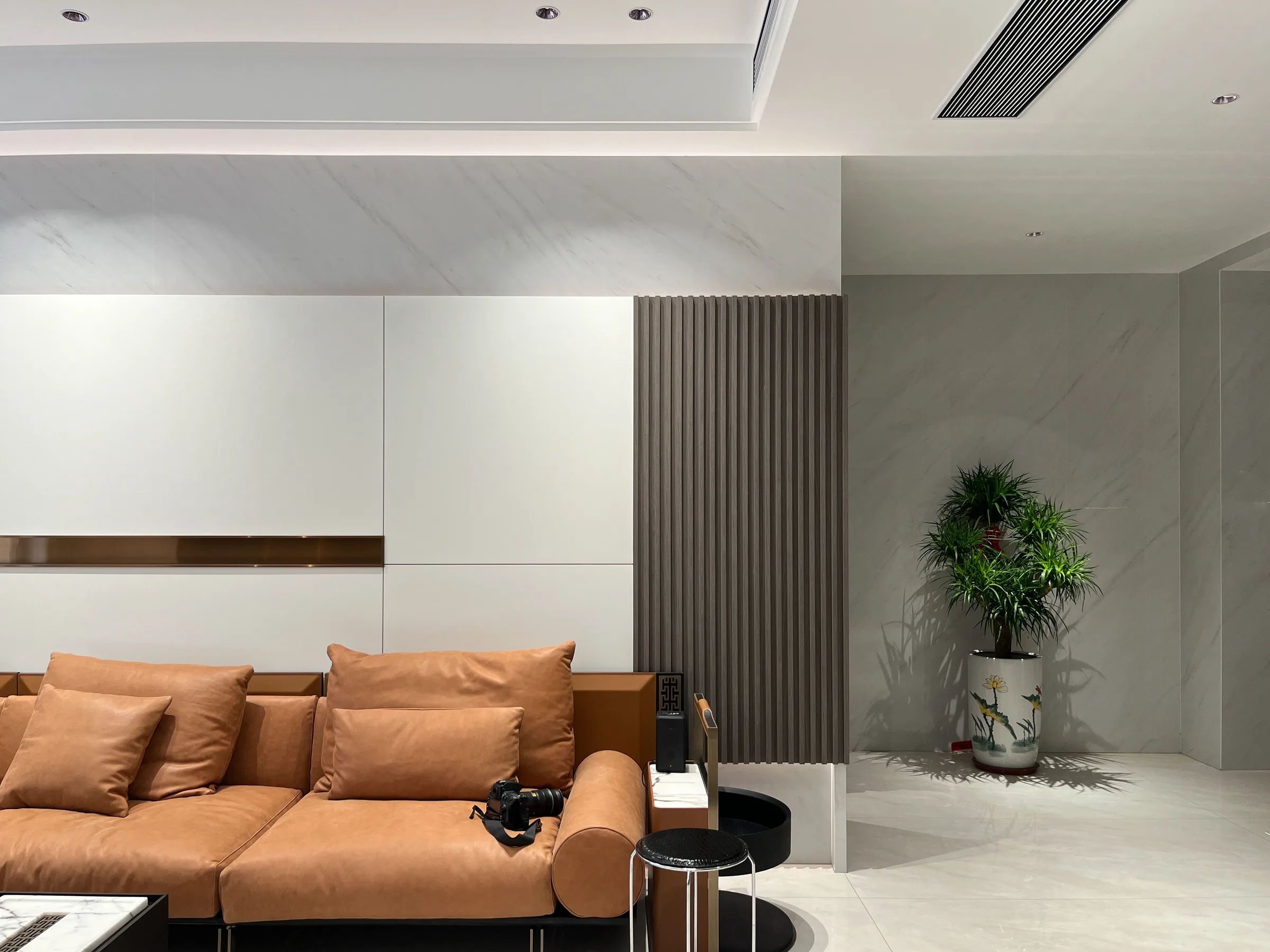
Real material photography from our production — click any frame to inspect the grain, edge and joint at full pixel scale.
Start with
a brief.
Send the drawings and the room list. We will come back with a scope, a finish schedule and a price range.
Buyer questions
How much load can display shelving take?
It depends on the span and fixing, so the shelf is drawn to the span rather than assumed. Long spans get a thicker shelf or a hidden support.
Can a desk be integrated into the joinery?
Yes, and it is usually better than a separate desk: the cable route, drawer bank and return can be detailed as one piece.
Is lighting part of the package?
Integrated lighting can be built in, with the driver and switching detailed by the project electrician. We build the pockets; the electrician makes the connection.